
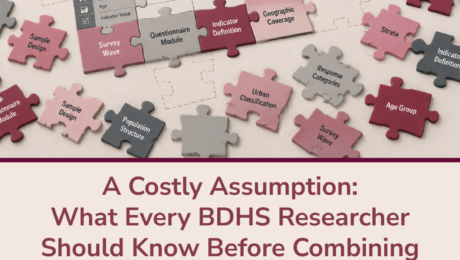
Read pdf here Written by Ibrahim Hasan and S M Abdullah A simple story with a built-in complicated problem Assume being a health researcher, you are studying health inequality. Particularly, you are interested to know the non-communicable disease (NCD) outcome status due to educational attainment exposure. Your preliminary logistic regression results showed that people with
- Published in Blog, Featured, News and Media
No Comments
The South Asian Coalition of Policy and Evidence for Equitable food systems (SCOPE) is a regional collaboration of research and policy institutions working to advance equitable, sustainable, and resilient food systems in South Asia. SCOPE brings together diverse expertise across nutrition, public health, agriculture, climate, gender, and political economy to generate and mobilise evidence that
Read it here or download PDF Abdullah Rafi, from ARK Foundation in Bangladesh, discusses how the perceived fragmentation of urban healthcare in low- and middle-income countries (LMICs) should be viewed as a symptom of unmanaged plurality rather than a system failure. The majority of the world’s population is now urbanised, with 55% of humanity currently
- Published in Blog, Featured, News and Media
When women give knowledge, care, and leadership… everyone gains! From research labs to homes and health centers, their actions protect, educate, and inspire. This International Women’s Day, celebrate the women shaping health and future in Bangladesh with ARK Foundation.
- Published in News and Media, Video
- Published in Policy Brief, Resources
Read the PDF here Policy messages: TB case notification can be increased by involving a small number of Private Medical Practitioners (PMPs) in selected areas. This makes scale-up feasible, as training in using the Public-Private Mix (PPM) model does not have to in-clude all PMPs in the area. The PPM model should be scaled up
- Published in Policy Brief, Resources
Read the PDF here Using a public-private partnership model is appropriate for both family planning healthcare providers and clients. This model is effective in increasing the use of long acting contraceptive methods. Implications and recommendations Orientation and hands on training of the private medical practitioners (PMPs) to family planning services and methods can result in
- Published in Policy Brief, Resources