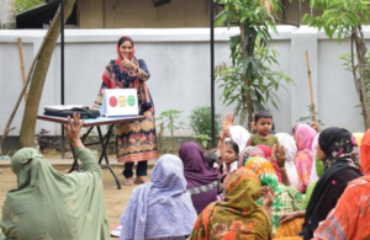
Fahmida Farzana
Tobacco kills more than 8 million people each year. To make up these “lost consumers”, the industry goes after the youth as their next target.
Today’s young people are the next generation of “lifelong customers”, and most tobacco users start smoking before they become adults. Over time, tobacco companies’ tactics to attract the youth have changed over time, but their goal remains the same – selling tobacco disguised in flavours such as cotton candy, strawberry ice-cream and chocolate, and packaged in animated, colorful, toy-shaped vapes and e-cigarettes. These products are positioned at eye level in convenience stores, often just steps away from schools. And while policy slowly catches up, the industry accelerates. This year, World No Tobacco Day draws attention to the industry’s ongoing exploitation of youth by glamorizing harmful products and blurring the line between recreation and addiction. But the key question is not just how we stop these harmful tactics. It’s what healthy, appealing alternatives we are offering in return. What can we do, as parents, activists, and policy makers to shield our next generation from these pied pipers of tobacco?
The Normalization of Harm
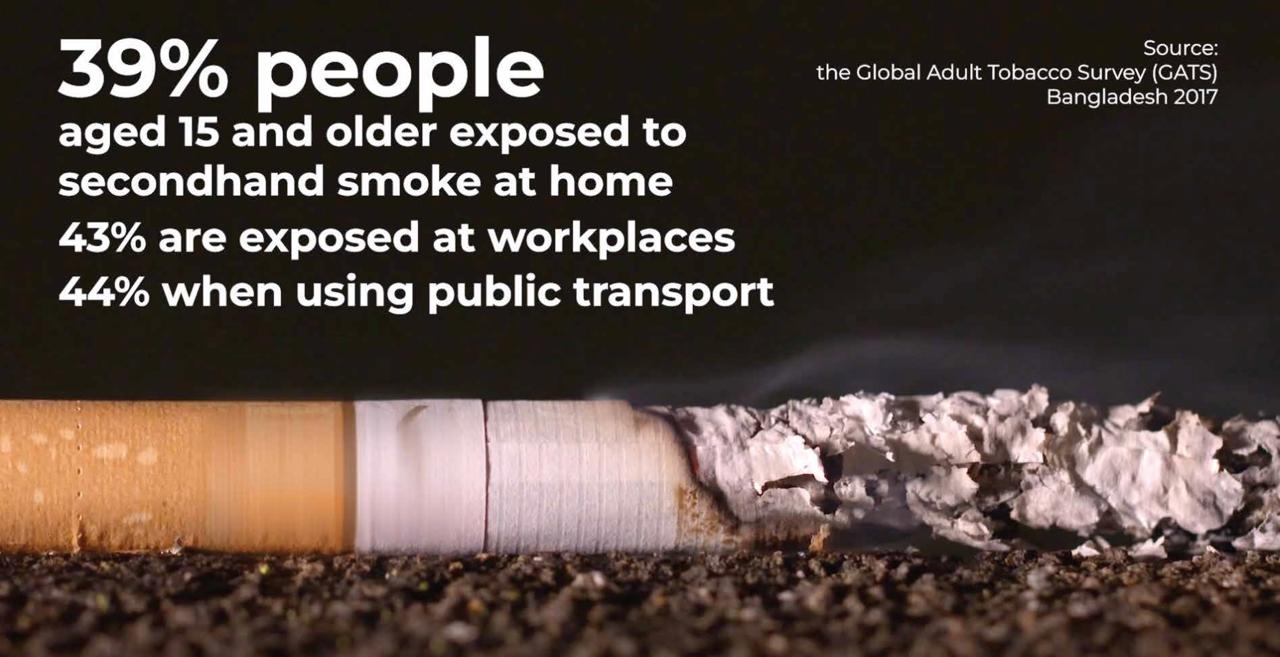
Take a walk through most public spaces such as the shopping malls, concert venues, clubs or upscale restaurants- and you will inevitably come across one thing: Designated Smoking Areas (DSAs), marketed as a middle ground that keeps smokers separate from others, in practice, they fail on every level.
For starters, secondhand smoke does not respect boundaries. Studies have shown that smoke from DSAs drifts into nearby areas, especially in enclosed or semi-enclosed spaces. Non-smokers such as pregnant women, children, patients etc. are regularly and involuntarily exposed. Second, DSAs convey a jeopardizing message- normalizing smoking in public life. This tacit acceptance undermines any campaign attempting to expose tobacco for what it truly is: a menace to public health. It is not a compromise; it is an unspoken approval.
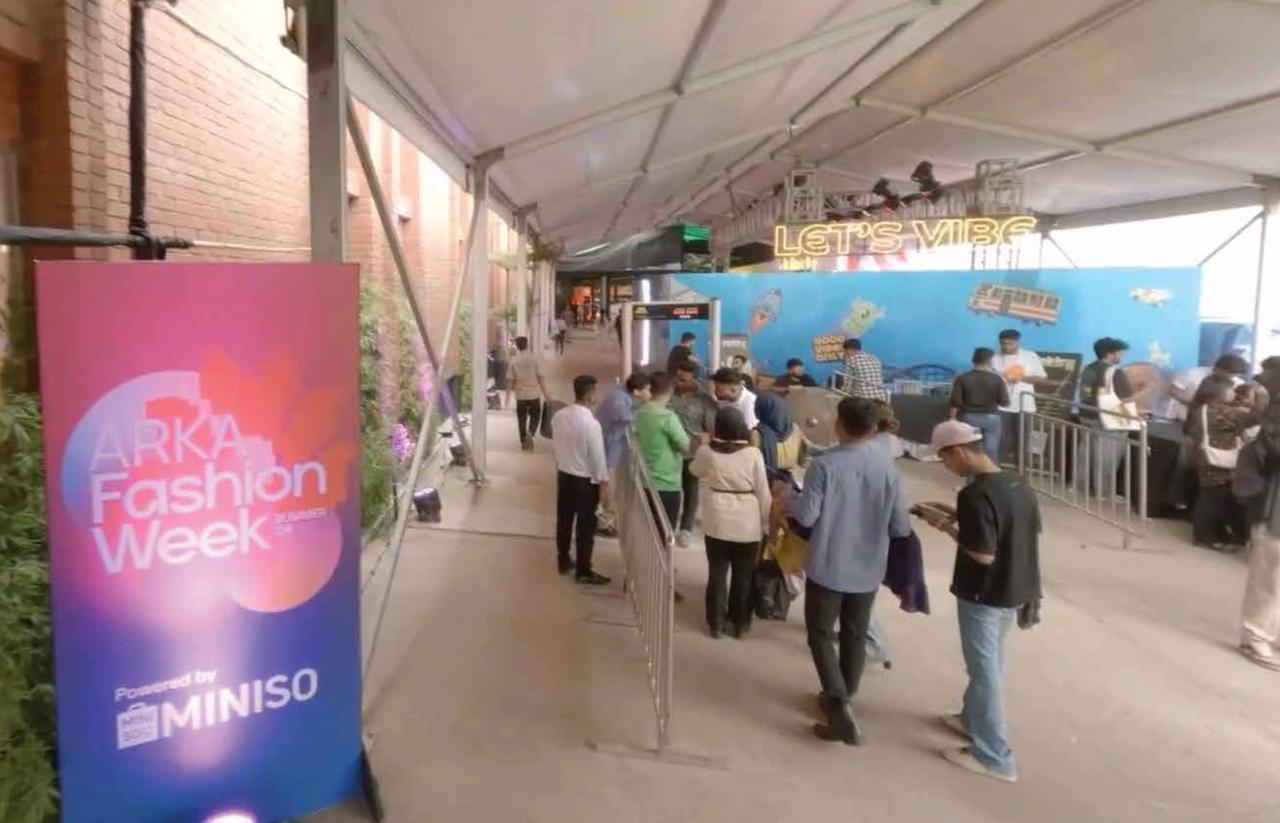
Third, DSAs have taken on a new, more deadly role. They are dressed up for concerts, festivals, and school events with flashing lights, smart branding, and sleek designs. For a young kid wanting to fit in, the message is clear: smoking is not just permitted here but part of the atmosphere.
The response should not be ambiguous. DSAs should be phased out totally. We have to replace them with clear, visible smoke-free signage. To ensure compliance and transparency, public venues should install PM2.5 air quality sensors- devices that measure harmful fine particles in the air, including those from tobacco smoke. When the data is made publicly accessible, it allows authorities and the public to hold institutions accountable, creating real pressure for venues to maintain genuinely smoke-free environments.
Packaging Addiction in Candy Coating
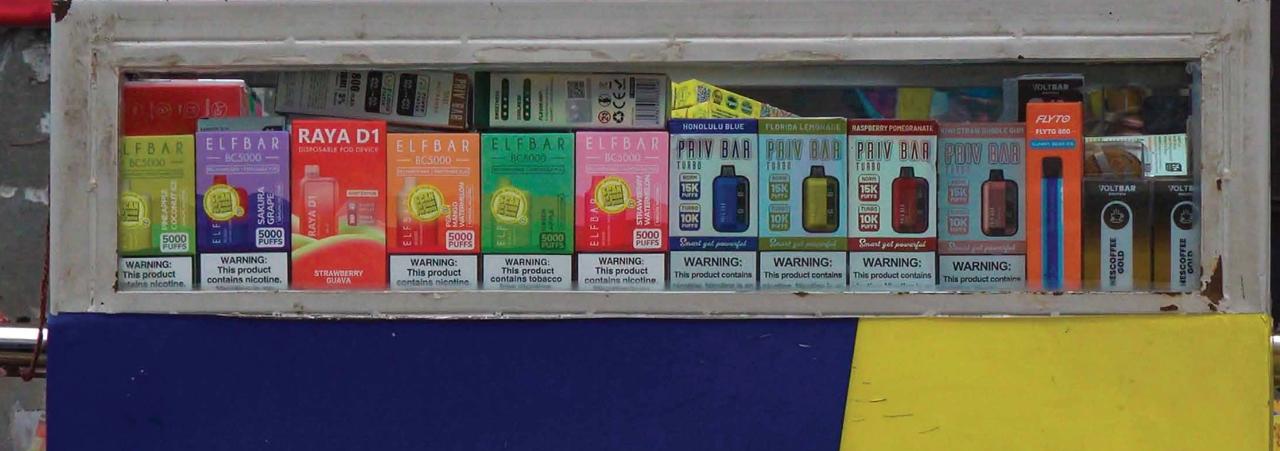
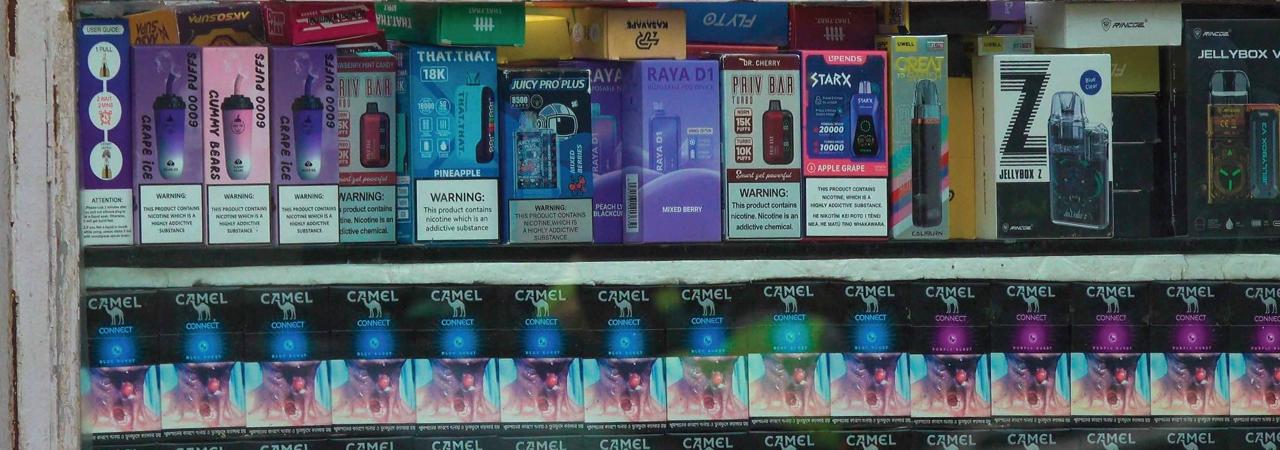
Today’s tobacco products are not just harmful- they are deceptively attractive. No longer sold in plain packaging, they now feature bright colors, soft shapes, and enticing flavors like mint, bubblegum, and hazelnut. These are not only marketing choices; they are entry points for addiction. On shop shelves, these products sit right at a child’s eye level. They are affordable with leftover lunch money. On campuses- students are not just consumers anymore but sometimes sellers too. And all of it hits before the brain’s decision-making centre is even fully developed. These are not accidental marketing choices; they are calculated entry points for addiction.
Bangladesh must respond with equal precision. Require vendor licenses with mandatory National ID checks. Track every sale through a digital traceability system, jointly managed by Bangladesh Standard & Testing Institution of the Bangladesh Standards and Testing Institution (BSTI) under the Ministry of Industries, and the Directorate General of Drug Administration under the Ministry of Health and Family Welfare. Ban flavored liquids outright. And follow global best practices by enforcing plain packaging- taking away the gloss and leaving behind only the warning.
 Corporate Social Responsibility as a Disguise
As per the 97th edition of Shomoshwor, a bulletin of the Bangladesh Anti-Tobacco Alliance-BATA, in 62 countries, tobacco-linked corporate social responsibility (CSR) is banned. But in Bangladesh, it thrives cleverly. One leading tobacco company, for instance, spends just BDT 6 crore annually on CSR, a modest amount by any standard. Yet with that small budget, they manage to sponsor health clinics, distribute educational materials, and even back student competitions- all under the banner of corporate goodwill. It is not philanthropy- it is brand laundering.
These efforts violate the spirit of Article 5.3 of the WHO Framework Convention on Tobacco Control (FCTC), which warns against industry influence in public health. The time has come for Bangladesh, a signatory of the convention since June 2003, not to merely cite it in reports, but to live by it.
The same playbook is applied at events. Youth concerts, university/college festivals, even local sports tournaments sometimes carry subtle tobacco ties: a branded smoking zone, ‘neutral’ giveaways like lighters and wristbands or other brand merchandise. To counter this, Bangladesh should establish a mandatory public registry of event sponsors, require full disclosure of affiliations, and impose penalties for non-disclosure. Transparency in this context is not just governance but prevention.
The Illusion of Revenue
 A common defense of the tobacco industry is its contribution to tax revenue. According to the National Board of Revenue, tobacco tax revenue continues to rise, with domestic cigarette sales generating Tk 32,502 crore in fiscal year 2023–24-an 8% increase from the previous year. For FY 2024-25, the NBR expects a further Tk 11,300 crore in VAT revenue, mostly driven by tobacco.
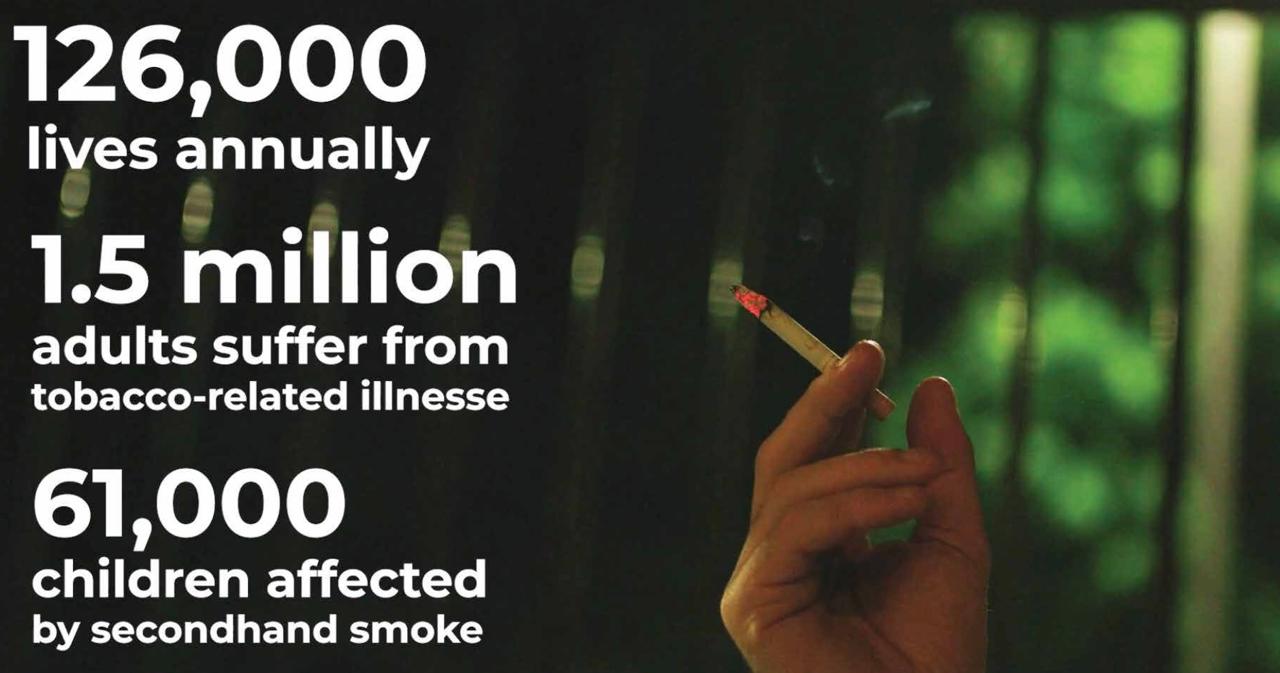
But that is barely the reality. According to the Bangladesh Cancer Society, tobacco claims 161,000 lives every year- each one a person, not a statistic. The broader economic damage, from healthcare costs to lost productivity, exceeds BDT 30,570 crore annually.
When a product costs more in lives and treatment than it contributes to the treasury, calling it profitable is not economics- it is denial.
(Source of information: 97th edition of Shomoshwor, a bulletin of the Bangladesh Anti-Tobacco Alliance)
Filling the Void: Youth Need Alternatives
Tobacco thrives where opportunity is absent. In Bangladesh, youth often lack access to affordable sports, arts, or cultural programs. Booking a playground in Dhaka can cost thousands, leaving a vacuum easily filled by tobacco-sponsored events.
To change this, the Ministry of Youth and Sports could earmark a good amount annually from tobacco tax revenues to fund smoke-free festivals, tech and arts programs, and accessible recreational spaces. Public venues should be free for schools and youth groups that commit to tobacco-free policies.
Iceland’s national youth prevention policy, which combined accessible after-school programs, parental education, and curfew enforcement led to dramatic drops in smoking and drug use among teens over two decades. Bangladesh can adapt this with local support and leadership.
Gaps in Law
 Though draft laws prohibit tobacco sales within 100 metres of educational institutions, enforcement remains lacking and the reality on the ground tells a different story. Tobacco shops still cluster around the 100 meters of the 90.5% of educational institutions (as per the 97th edition of Shomoshwor, a bulletin of the Bangladesh Anti-Tobacco Alliance-BATA). Smokers light up freely in restaurants and transport terminals, often in so-called “designated areas” that blur the line between separation and promotion. To change this, the gaps in the Tobacco Control Act of 2005 (last amended in 2013) must be closed. Buffer zones around schools and health facilities should be strictly enforced. DSAs must be removed, not remodeled. And Bangladesh must begin to take seriously the international commitments it has made under the WHO Framework Convention.
Role of Researchers, Policymakers and Civil Society
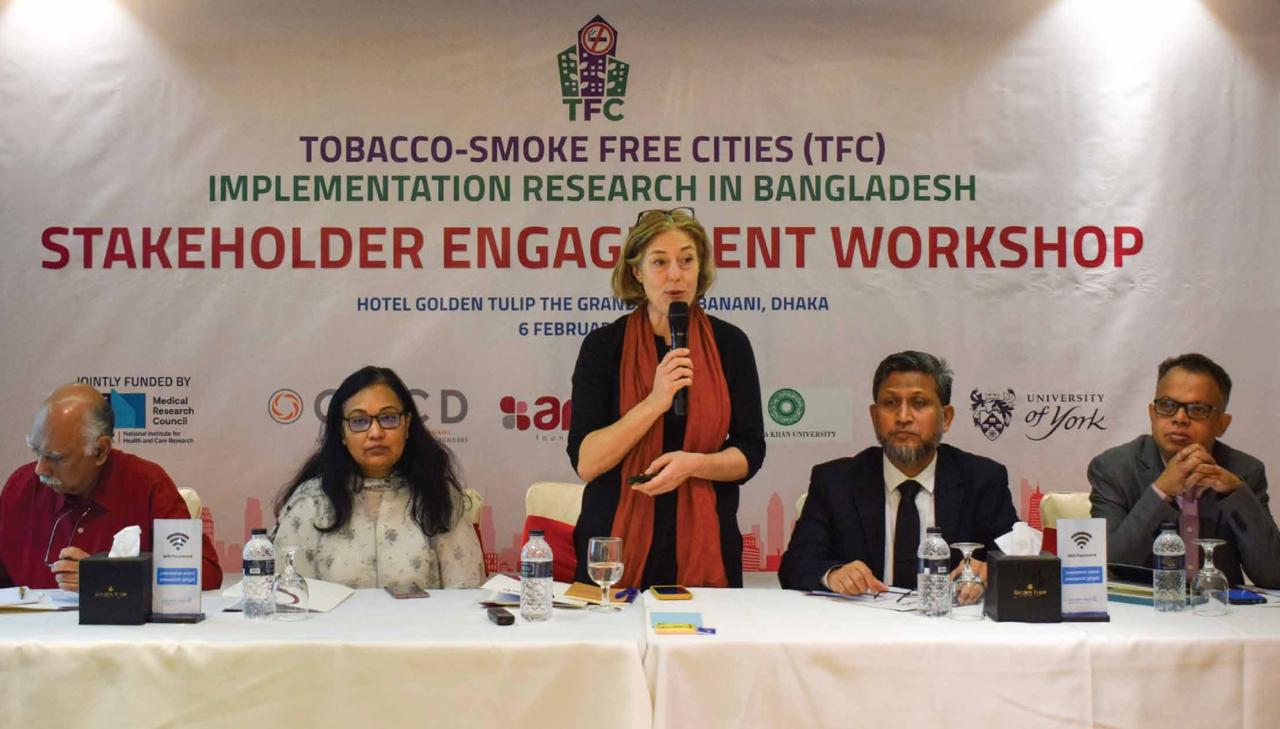 Tobacco control is not the job of a single ministry, nor can it rest solely on legislation. It requires sustained collaboration between researchers who generate evidence, institutions that act on it, and civil society groups rooted in real-world challenges. As Md. Bazlur Rahman, Project Director of the Tobacco Control Project, explains, research is more than just numbers- it reveals gaps, shapes advocacy, and drives reforms. “International treaties exist, but without a concrete national roadmap to 2040, mandates alone are not enough. Awareness needs to be paired with actionable alternatives.”
As Prof. Rumana Huque, Executive Director of ARK Foundation- an organisation that has long worked on tobacco control through initiatives like Tobacco-Free Cities and TB & Tobacco- puts it, no single law or ministry can undo the grip of tobacco. Meaningful progress occurs when scientific evidence is translated into action, when research shapes policy and communities are empowered to implement change. Countries like Australia and Iceland have made significant strides not through short-term solutions, but through sustained, coordinated efforts over time. Transitioning from policy declarations to real-world protection is not immediate, but it is possible- provided we all acknowledge and embrace our individual and collective responsibilities.